
Identity
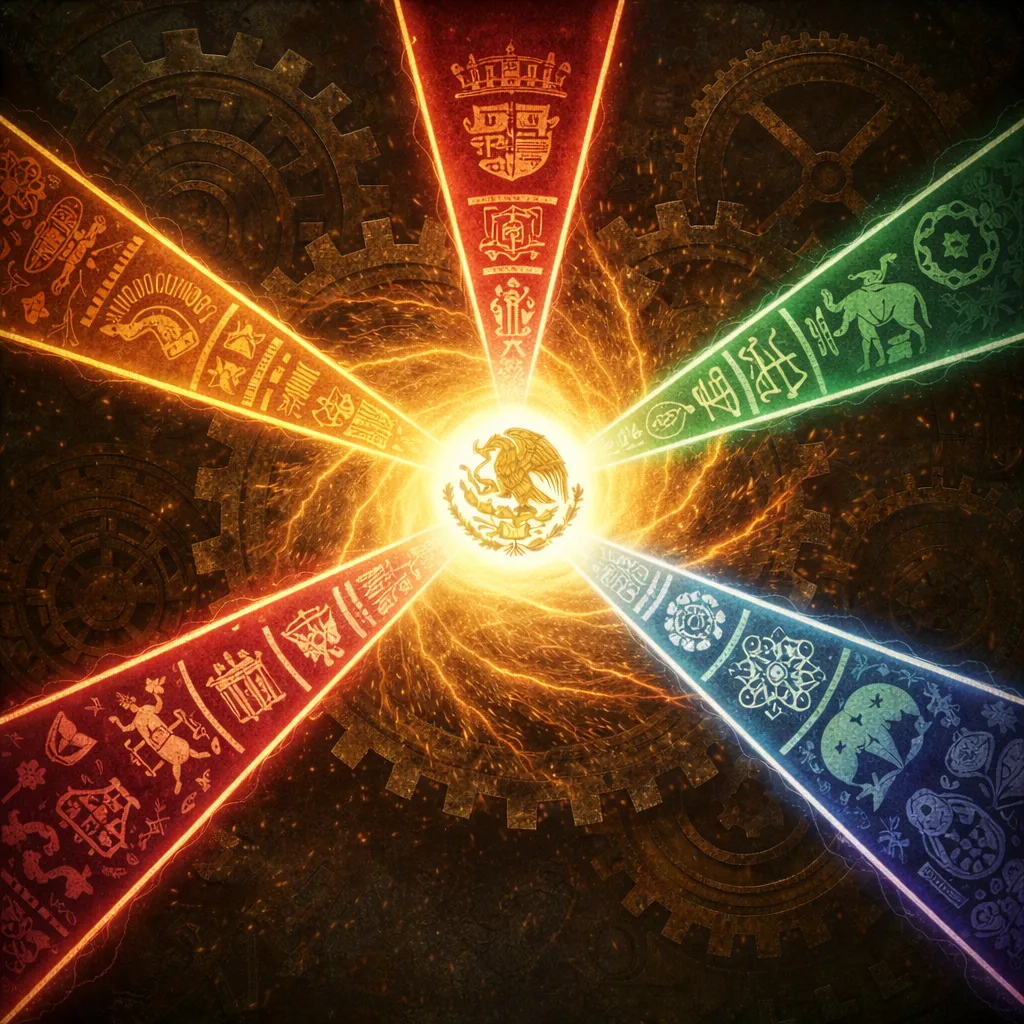
The mixed-race identity of the Mexican
Mexican identity is one of the richest and most complex in the world because it is formed by a mixture of peoples, civilizations, and continents that merged over centuries. Broadly speaking, Mexican blood comes from five major cultural and genetic roots:
The Mexican is the result of a fusion of five worlds:
Indigenous
Mexicas, Mayas, Zapotecs, Mixtecs, Toltecs, Purépechas, Otomíes, Huichols, Tarahumaras, Yaquis, among others
European
Spain, France, Italy, Ireland, Germany, Poland and Greece
African
Nigeria, Senegal, Angola, Congo, Ghana
Arab-Mediterranean
Lebanon, Syria, Palestine and Armenia
Asian
Philippines, China, Japan, India, Malaysia
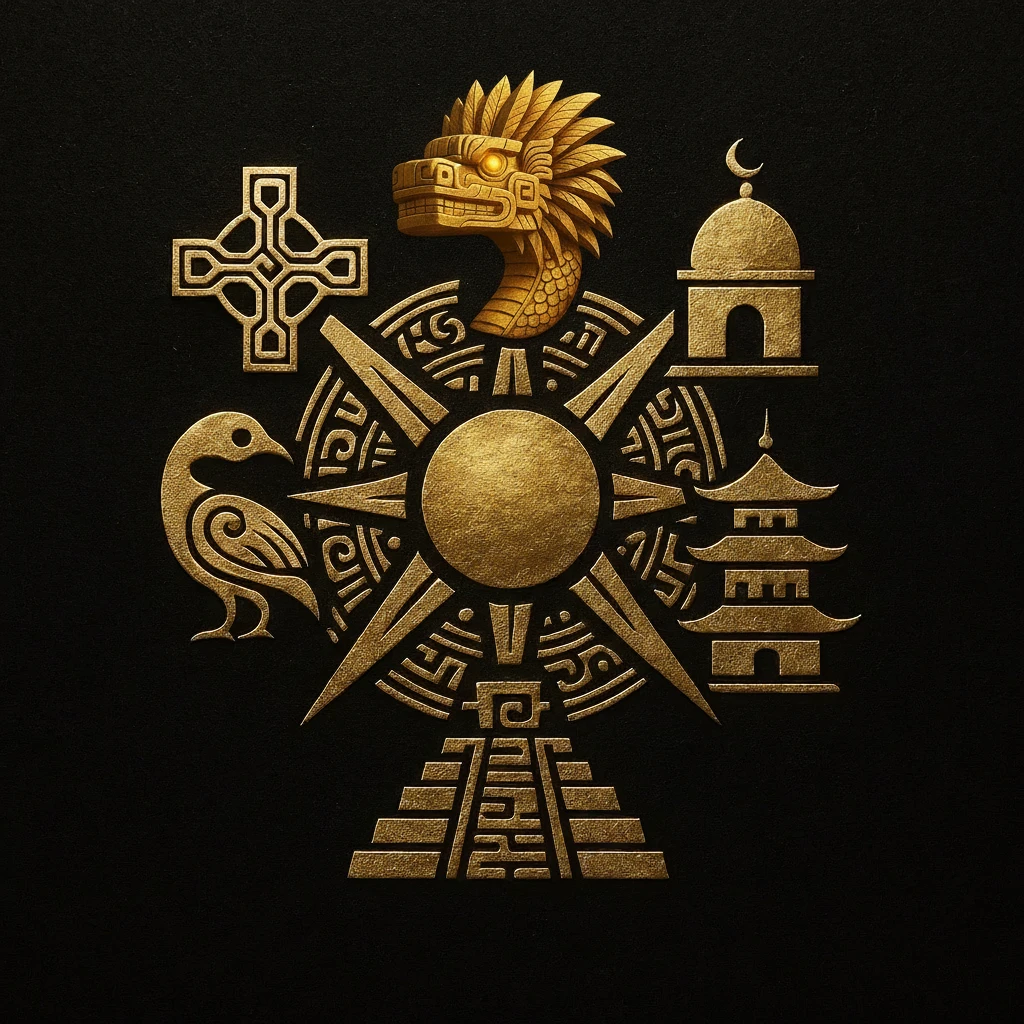
That’s why it’s said that Mexicans don’t belong to just one continent, but rather carry the whole world in their blood.
From Indigenous America, the connection to the land; from Europe, structure and language; from Africa, rhythm and energy; from the Arab world, symbolic depth; and from the East, spirituality and discipline.
The Mexican is, in essence, the living synthesis of humanity.
1. Indigenous Peoples of Mesoamerica
The deepest foundation of Mexican identity.
It includes ancient civilizations that flourished thousands of years before the arrival of Europeans:
- Mexica (Aztecs)
- Maya
- Zapotec
- Mixtec
- Toltec
- Purépecha
- Otomi, Huichol, Tarahumara, Yaqui, among many others.
These peoples contributed the spiritual worldview, the Nahuatl language, and much more, including corn, symbolic art, and a sacred relationship with the land and community.
They are the very soul of Mexico.
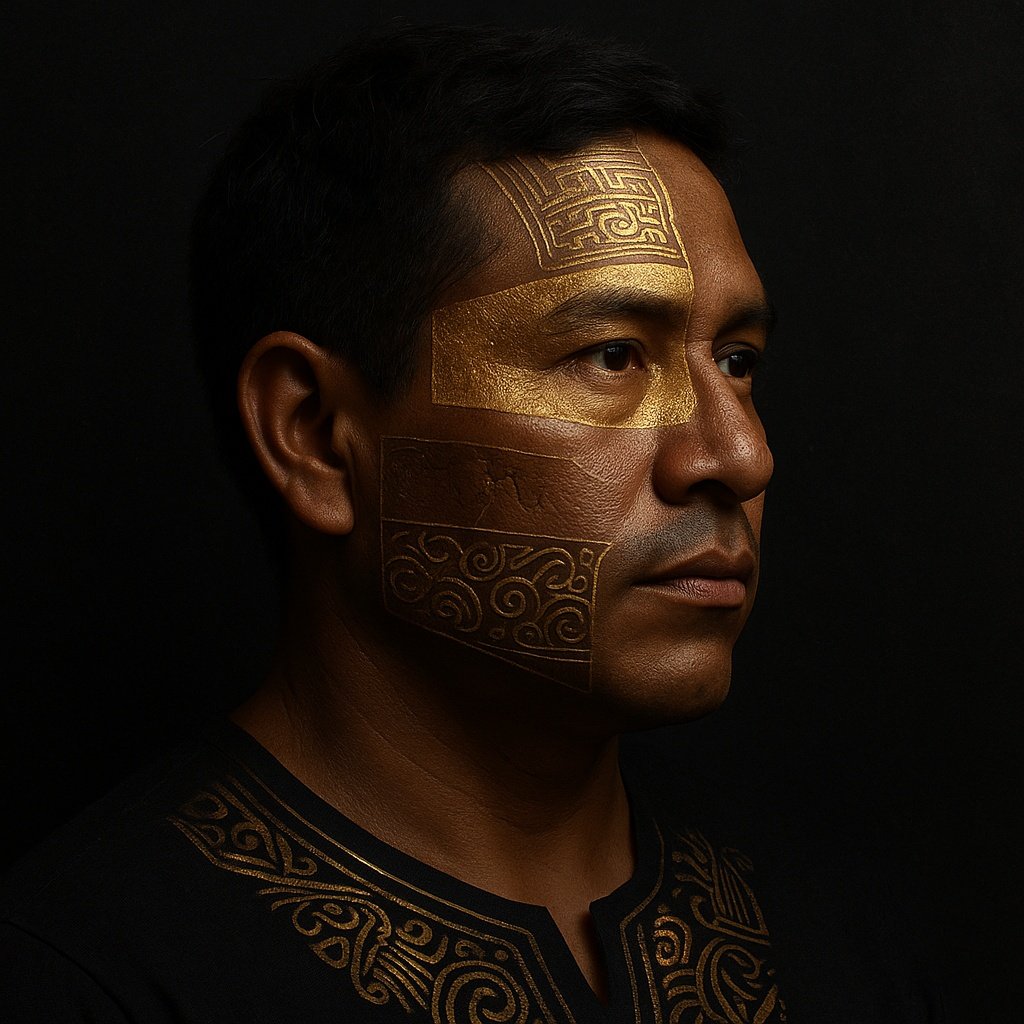

2. European heritage (mainly Spanish)
From the 16th century onward, the arrival of the Spanish brought:
- The Castilian language
- The Catholic religion
- European architecture, art, and law
- Mediterranean genetic and cultural traits (Andalusian, Extremaduran, Basque, Catalan, Galician, etc.)
Other Europeans also arrived over time: French, Italians, Irish, Germans, Poles, and Greeks, who enriched the Mexican cultural mosaic with education, art, commerce, and industrial techniques.
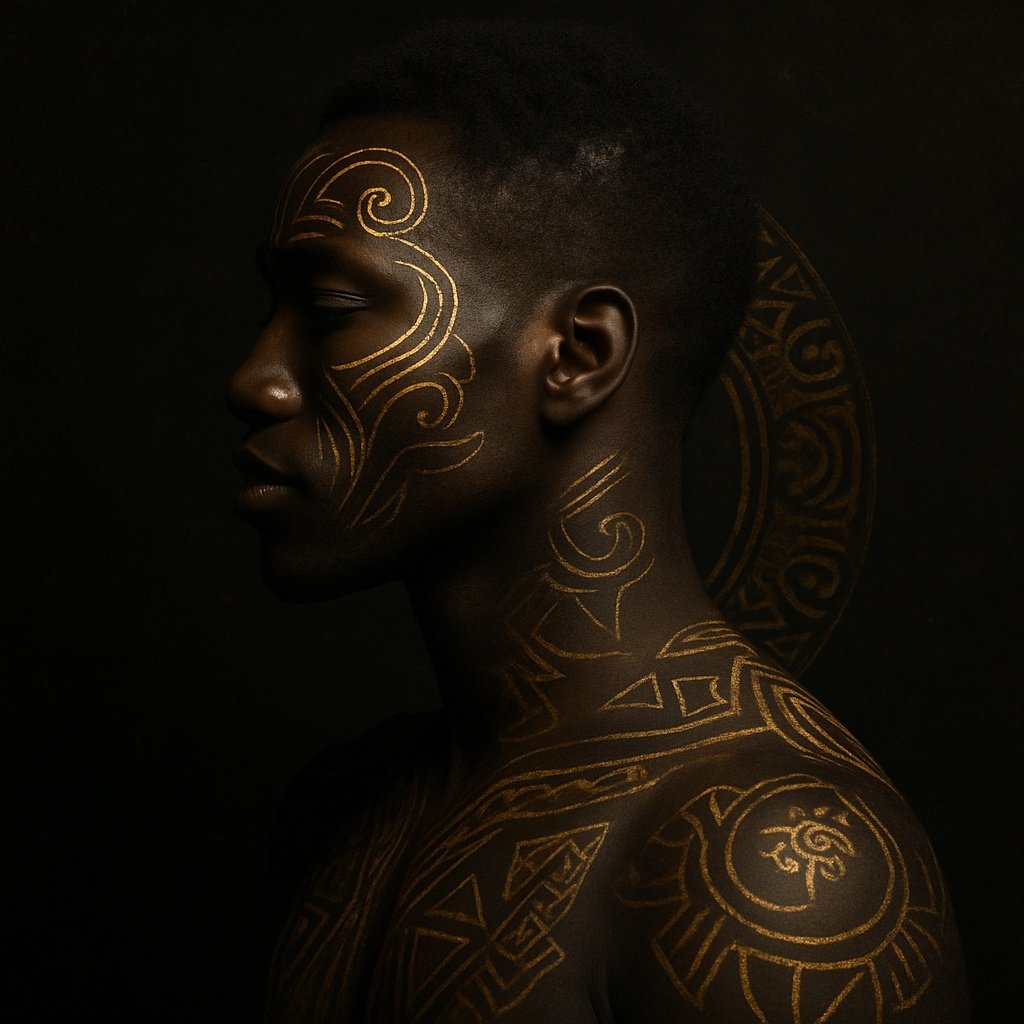
3. African Heritage
Between the 16th and 19th centuries, more than 200,000 enslaved Africans arrived in Mexico, primarily from:
- West Africa (Nigeria, Senegal, Angola, Congo, Ghana)
Their descendants contributed rhythms, music, gastronomy, labor, and cultural resilience, especially in regions like Veracruz, Guerrero, and Oaxaca.
The African heritage lives on in son jarocho, dance, percussion, and the energy of the mestizo people.
4. Arab and Mediterranean Heritage
Through Spain (which was part of the Arab world for eight centuries), Arab and North African influences reached Mexico:
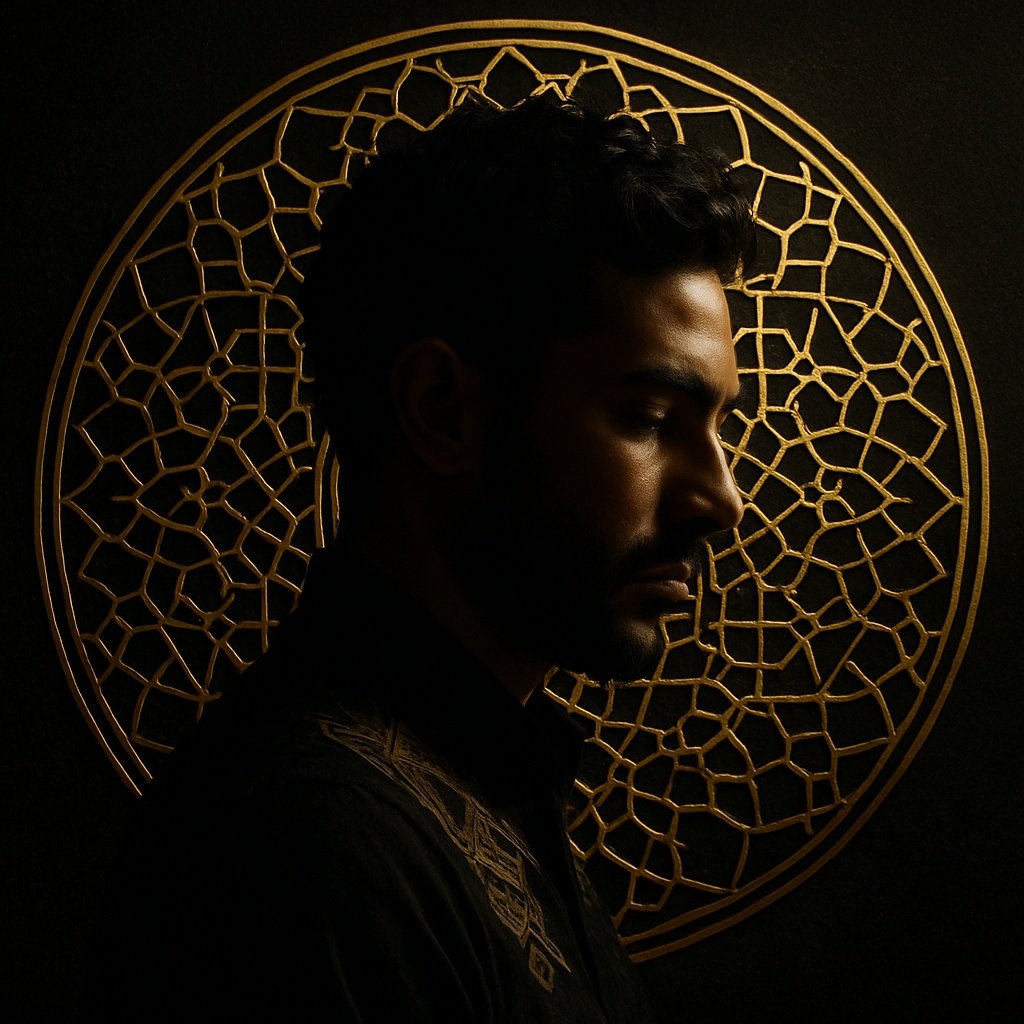
- In Moorish architecture: tiles, domes, and geometric patterns.
- In gastronomy: spices, rice, sugarcane, oranges, almonds, and influence on the taco de trompo (or taco al pastor).
- In language: hundreds of Arabic words in Spanish (ojalá, almohada, azúcar, alfombra…).
Furthermore, in the late 19th and early 20th centuries, Lebanese, Syrian, Palestinian, and Armenian migrants arrived, integrating with remarkable success and giving rise to emblematic families of modern Mexico.
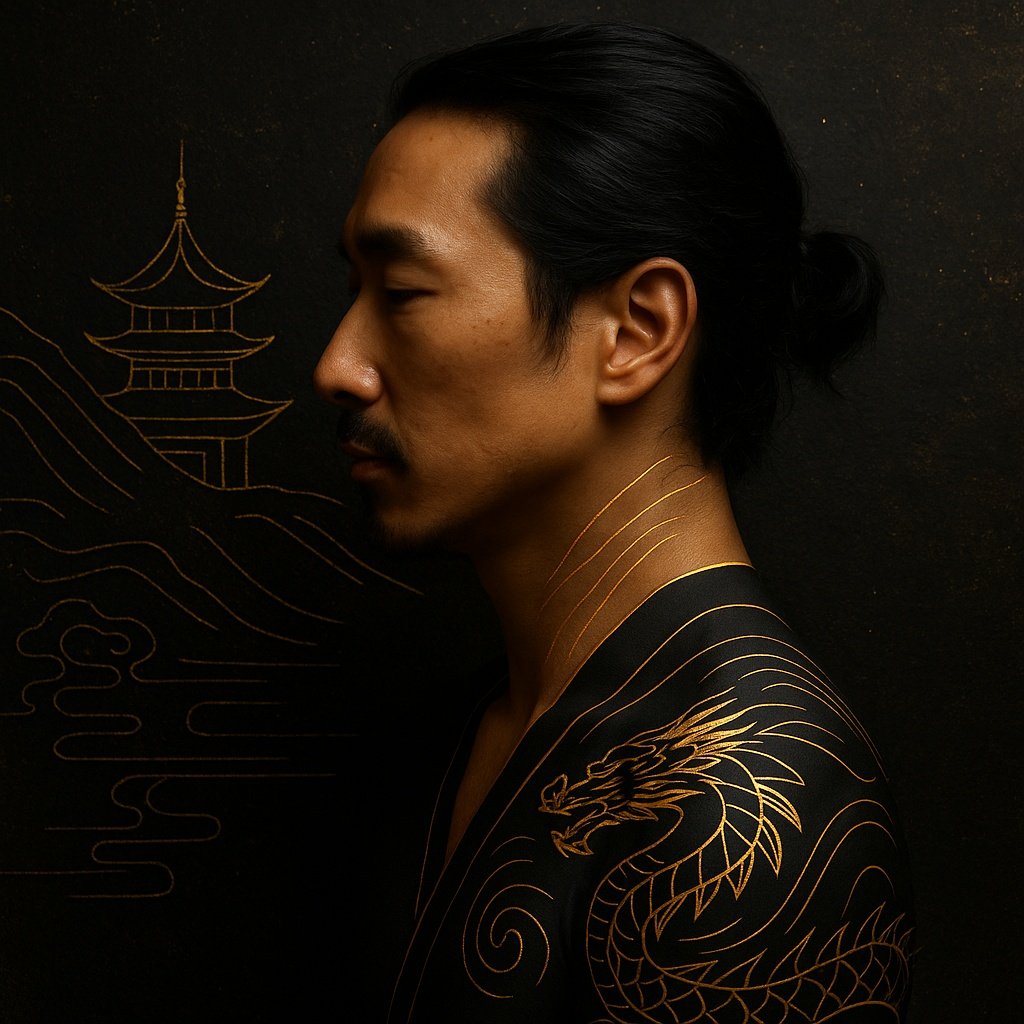
5. Asian Heritage
There is also a significant Asian influence in the Mexican mix, though it is often forgotten or rarely mentioned.
This influence not only exists but is deeply interwoven into Mexico’s history and identity for over 400 years. For more than two centuries, Mexico served as the bridge between Asia and the Americas thanks to the historic Manila Galleon (1565–1815), which connected the Philippines and Acapulco.
Through this trade—one of the most important in the ancient world—thousands of people, ideas, foods, and goods arrived from the Philippines, China, Japan, Malaysia, India, and other regions of Southeast Asia.
In summary
The Mexican is a living synthesis of five worlds: Indigenous + European + African + Arab + Eastern.
From this fusion was born the universal mestizo, with a warrior spirit, a warm heart, a creative mind, and a profoundly spiritual soul.
Popular Identity
“In Mexico, we’re born wherever we want.” (or it’s also heard as “In Mexico, we’re born wherever we feel like it.”)
It’s not a literal phrase about birthplace, but rather an expression of identity and national pride.
What it conveys is that being Mexican doesn’t depend on where you’re born, but on what’s inside you—your roots, your culture, your language, your love for Mexico, and how you represent it to the world.
In other words: Being Mexican is an attitude, a feeling, a root that doesn’t disappear even if you live far away.
That’s why many use it to proudly affirm that a Mexican can be born in any country in the Americas, Europe, Africa, or Asia, and still be deeply Mexican, because their heart, their values, and their spirit make them feel invincible.